





Quantum physics is, in short, the physics that explains how everything works. It explores the nature of the particles that make up matter and the sheer force with which they interact. It’s the study of matter and energy at the most core level — explaining how electrons move through a microchip or how the sun is a consistent ball of fire.
A great example is fluorescent lighting. The light you get from the tubes is a result of a quantum phenomenon — it’s basically the reaction of a small amount of mercury vapour into the plasma.
Now, a bachelor’s, master’s or PhD in quantum physics per se is not a thing. It’s usually studied as part of the physics programme. However, you can aim for a master’s or PhD that specialises in this field by taking on concentrations in quantum mechanics or quantum science.
Entry requirements
To be a physics major, you’ll need a high school diploma, ACT or SAT scores, transcripts and letters of recommendation. Before declaring a major in physics, students are asked to complete coursework in general physics, algebra and calculus.
Those who are looking for a PhD programme in physics with a focus on quantum physics should have a strong undergraduate and master’s background in physics with sufficient coursework in the domain. To add to that, an interest in independent research or a bachelor’s degree from an accredited college or uni is also needed.
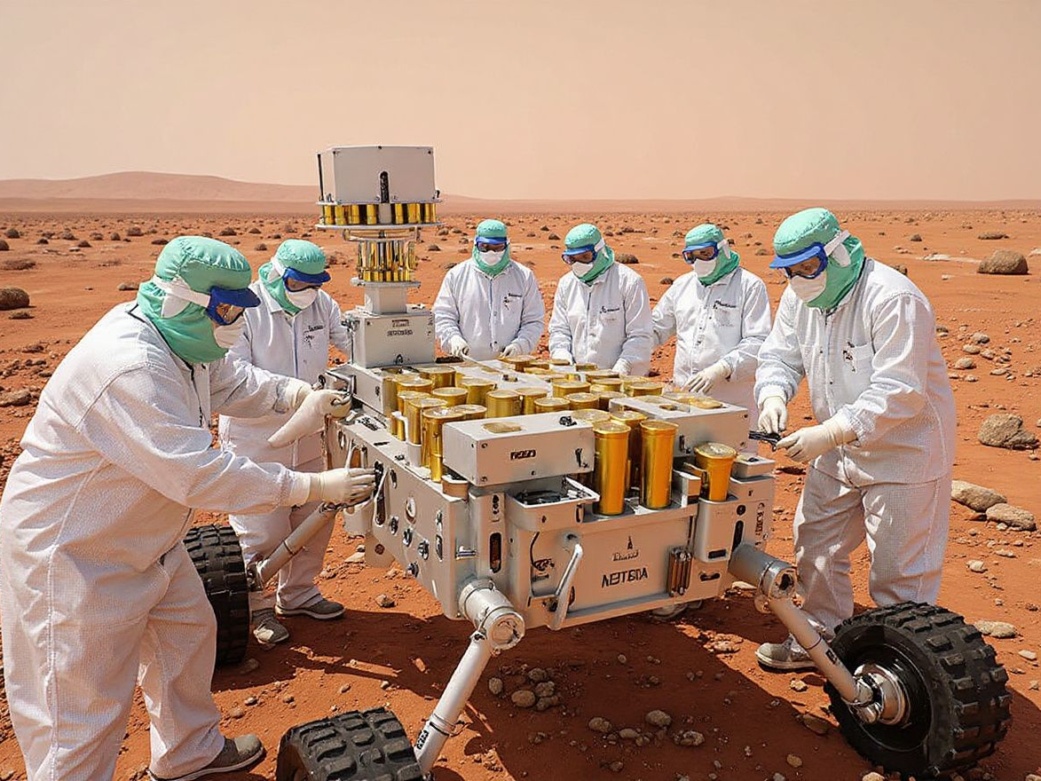 NASA photo showing engineers and technicians insert 39 sample tubes into the belly of the Mars rover, as each tube is sheathed in a gold-coloured cylindrical enclosure to protect it from contamination, the perseverance rover will carry 43 sample tubes to the Red Planet's Jezero Crater.
Coursework
The more common courses cover thermodynamics, electromagnetism, statistical physics and quantum physics and mechanics. Many schools offer physics degree programmes that include quantum physics coursework, so when choosing, students might want to look closer at these details.
When pursuing a PhD with an interest in quantum physics, topics such as quantum mechanics, applied electrodynamics, quantum theory of solids, advanced solid state physics, statistical mechanics, quantum physics of matter, modern optics and quantum electronics are covered.
Careers
With a degree in this field, you can be a theoretical or experimental physicist, a researcher and even work with a quantum computer. Not only can you work in the engineering field (the highest paid jobs at NASA are the engineers), but in the world of medicine too, as quantum mechanics are used to make different compounds. A quantum physicist takes home an average annual pay of US$120,172.
Popular stories
‘AI is like surfing’: A female leader’s 3 key advice to make it in a trillion-dollar industry

Join the future of agriculture at the University of Georgia

University of Chester: Empowering the next generation of health professionals

How to find a roommate abroad: 3 red flags you seriously don’t want to ignore